The Benefits of Ongoing Monitoring at a TRT Clinic in La Jolla

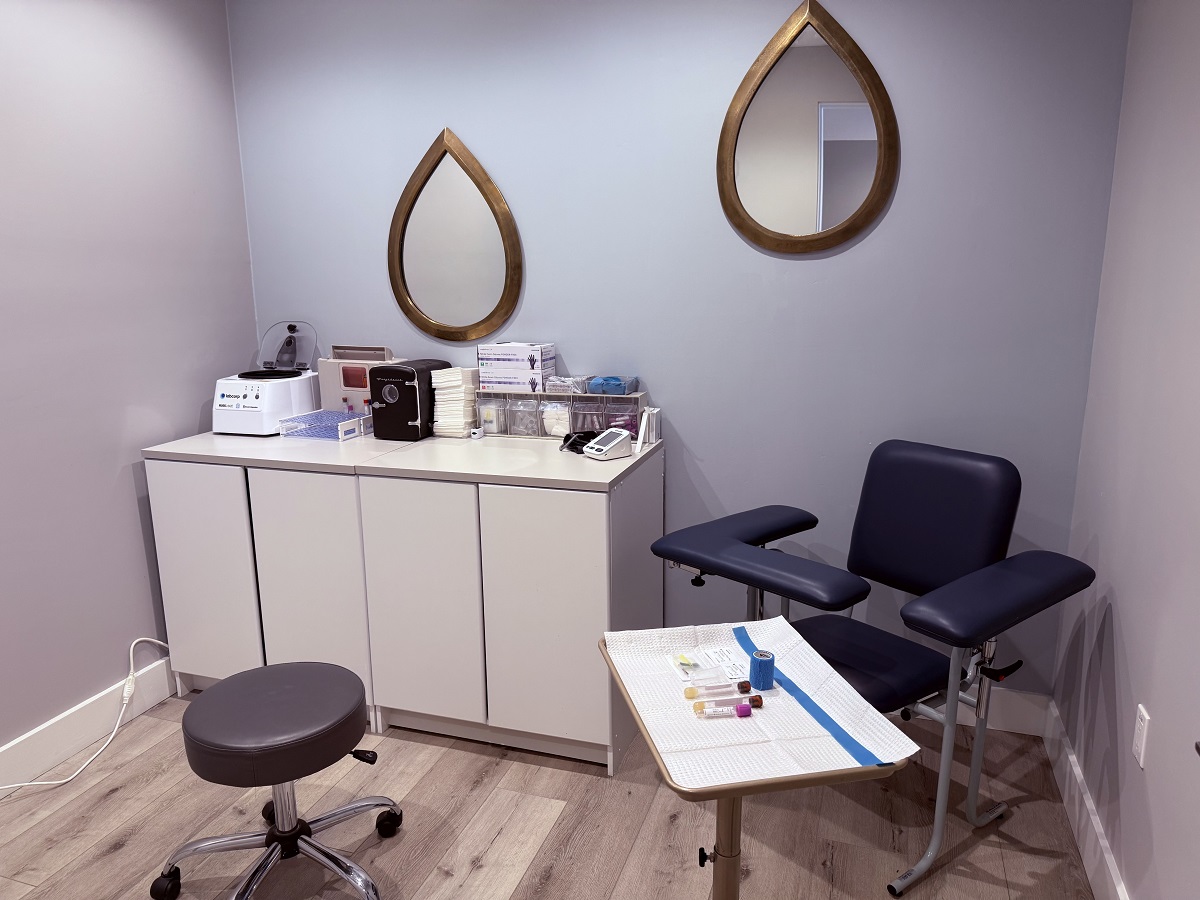
Testosterone replacement therapy is rarely a set-it-and-forget-it treatment. That is one of the first realities men learn after they move past the marketing language and begin real care. TRT can be helpful for the right patient, especially when low testosterone has been confirmed with symptoms, labs, and a careful clinical history. But the treatment only works well over time when someone is paying attention to how the body responds, how symptoms evolve, and whether the original plan still makes sense six months later.
That is where ongoing monitoring matters. A good trt clinic La Jolla is not simply dispensing medication. It is tracking patterns, adjusting dose and delivery when needed, screening for side effects, and making sure the gains a patient wants do not come at the expense of long-term health.
In practice, the difference between supervised TRT and poorly monitored TRT can be dramatic. One patient feels steadily better, with more energy, sharper focus, improved libido, and stable lab work. Another starts strong, then runs into sleep disruption, rising hematocrit, acne, mood volatility, or estrogen-related symptoms because no one caught the early warning signs. The treatment may look similar on paper, but the outcome depends heavily on follow-up.
TRT is dynamic, not static
Hormones do not behave like a light switch. Even when a patient starts on a common protocol, the body’s response can vary more than most people expect. Age, body composition, sleep quality, alcohol intake, stress, exercise habits, thyroid function, insulin resistance, and medication use can all influence how TRT feels and how the lab results look.
A dose that appears modest for one man may feel excessive for another. A delivery method that works well for several months can become less convenient, less effective, or harder to tolerate over time. Someone who initially responds well to weekly injections may later benefit from a different schedule because of peaks and troughs. Another patient may look fine on paper but still report fatigue, flat mood, or low libido, which prompts a broader clinical review instead of an automatic increase in dose.
Ongoing monitoring gives the clinician room to treat the patient in front of them rather than the average patient from a textbook. That distinction matters. Hormone care is full of gray areas, and good judgment usually shows up in the follow-up, not in the first prescription.
Symptom tracking is just as important as lab tracking
Lab values matter, but they are not the whole story. Anyone with experience in hormone management knows that two patients can share very similar testosterone levels and have very different day-to-day results. One sleeps well, trains hard, and notices a steady return of confidence and motivation. The other still feels foggy, irritable, or underwhelmed.
That is why a responsible clinic follows both objective and subjective markers. It is not enough to ask whether total testosterone rose. The better question is whether the patient’s original complaints are improving in a measurable, sustainable way.
When ongoing monitoring is done well, the conversation during follow-up visits becomes specific. Energy in the afternoon, morning erections, recovery from workouts, concentration at work, libido, mood stability, sleep quality, and body composition are all discussed in context. The clinic is looking for patterns, not isolated comments. A man who says he feels amazing for two days after an injection and then crashes for the next five may not need more testosterone. He may need a different dosing rhythm.
This is one of the most practical benefits of staying connected to a TRT clinic in La Jolla rather than trying to self-manage. It is easy to misread short-term changes, especially early on. Some men interpret any dip in energy as proof that they need a higher dose. In reality, that can make the problem worse.
Safety tends to show up in the small details
TRT can be appropriate and beneficial, but it is still medical treatment. Ongoing monitoring exists partly to keep treatment safe as physiology shifts over time.
One common example is hematocrit. Testosterone can increase red blood cell production, which is not automatically harmful, but if the increase becomes too pronounced, blood viscosity can rise and create concerns that need attention. The patient usually does not feel this trend happening in real time. Without regular lab work, it can be missed until the numbers are well beyond where they should be.
Estradiol is another area where nuance matters. There is a tendency online to reduce estrogen management to slogans, but that is not how thoughtful care works. Some men develop symptoms that suggest estradiol imbalance, while others do not. A clinic that monitors carefully can distinguish between numbers that simply look different and symptoms that require a meaningful response. Overcorrecting can be just as problematic as under-recognizing an issue.
Liver function, lipids, PSA where appropriate, blood pressure, and sleep apnea risk can also become part of the monitoring picture depending on age, history, and overall health. This is not alarmism. It is standard medical prudence. The goal is not to make TRT feel risky. The goal is to make sure the treatment is as safe and individualized as possible.
Better outcomes often come from smaller adjustments
One of the most underrated advantages of consistent follow-up is that it allows for subtle course correction. Most successful TRT care does not involve dramatic overhauls every few weeks. It is usually more measured than that.
A patient may begin with a standard dose and do fairly well, but his follow-up shows rising hematocrit and some irritability. Rather than abandoning treatment or chasing symptoms with extra medications, the clinician may adjust the dosing frequency, reduce the weekly total slightly, and retest after an appropriate interval. Another patient may have adequate testosterone levels but still struggle with fatigue because the larger issue is poor sleep and untreated sleep apnea. In that case, more testosterone is not the answer. Better sleep care is.
That kind of restraint is often what separates good management from careless management. Patients understandably want to feel better quickly. Yet some of the best decisions in TRT involve not escalating therapy just because a symptom exists. Monitoring creates a framework where the clinician can pause, compare trends, and act based on evidence rather than impatience.
Follow-up helps separate hormone problems from lifestyle bottlenecks
There is another practical reason ongoing monitoring matters. Not every symptom that remains after starting TRT is caused by testosterone.
This comes up often in men who expected TRT to fix everything. If someone is sleeping five or six fragmented hours, drinking heavily on weekends, carrying significant visceral fat, under-eating protein, and training inconsistently, TRT may help at the margins but it cannot erase the physiologic cost of those habits. In a busy or poorly structured setting, that conversation may never happen. The treatment is blamed when the real issue is incomplete care.
A stronger clinic uses follow-up to put hormones in their proper place. Testosterone can support better energy, libido, recovery, and body composition in the right candidate. It can also create enough momentum that a patient finally starts improving his training, sleep, and nutrition. But monitoring visits should keep those basics on the table.
I have seen men make more progress after a sleep study, alcohol reduction, and a more consistent injection schedule than they did from any pure dose increase. That may not be the exciting answer, but it is often the right one.
Fertility, family planning, and long-term goals need regular review
This area deserves more attention than it usually gets. Some men pursue TRT in their thirties or early forties and later realize they want to preserve fertility or have another child. If that topic was not discussed clearly at the beginning, the patient can end up surprised and frustrated.
Ongoing monitoring gives the clinic a chance to revisit goals that change with life. A man may start TRT focused only on fatigue and low libido. Six months later, family planning becomes a priority. That shift can affect the treatment approach, the need for further evaluation, and the way adjunctive therapies are considered.
Goals can change in other ways too. The patient who originally wanted symptom relief may later care more about athletic recovery, body composition, or minimizing acne and fluid retention. Monitoring is not just about safety. It is also about making sure the treatment still aligns with the life the patient is actually living.
The La Jolla factor: why setting and patient profile can shape care
La Jolla is a place where many patients are active, busy, and health-conscious, but often stretched thin. Professionals balancing demanding work, fathers trying to stay energized, older men committed to training, and patients recovering from years of burnout may all walk into the same clinic for TRT, yet their needs are not the same.
That makes individualized monitoring especially valuable. The runner with a resting heart rate in the 50s, the executive sleeping five hours a night, and the 62-year-old returning to resistance training after years away from it should not all be managed with identical assumptions. A clinic that serves this population well usually pays attention to the broader picture, including performance expectations, cardiovascular risk factors, stress load, and recovery capacity.
For patients seeking care at a trt clinic La Jolla, the benefit is not just access to treatment. It is access to a treatment relationship where performance, aesthetics, sexual health, and medical safety can be discussed in the same room without reducing the conversation to one narrow metric.
Monitoring builds trust because it reduces guesswork
Patients trt clinic La Jolla usually feel more confident in care when they understand what is being checked and why. Uncertainty tends to create two unhelpful reactions. Some patients become anxious about every side effect and every lab variation. Others become dismissive and assume nothing matters as long as the gym performance improves.
Steady follow-up counters both extremes. It gives the patient a rhythm. Labs are reviewed in context. Symptoms are compared over time. Adjustments are explained. Expectations are reset when needed.
A simple but effective follow-up process often includes these checkpoints:
- Review of symptom changes since the last visit, including energy, libido, mood, sleep, and physical recovery.
- Repeat labs at clinically appropriate intervals to assess testosterone levels and broader safety markers.
- Discussion of side effects, adherence, injection timing, and whether the current delivery method still fits the patient’s routine.
- Adjustment of dose or frequency only when the full clinical picture supports it.
- Reassessment of broader health factors such as sleep, stress, body composition, and fertility goals.
None of that is glamorous, but it is where good outcomes are protected. Patients do not usually need a complicated system. They need a consistent one.
What can go wrong without regular oversight
When men try to manage TRT largely on their own, a few predictable issues tend to show up. Sometimes the dose creeps upward because they are chasing a particular feeling rather than following clinical reasoning. Sometimes labs are checked too rarely, or only the headline number gets reviewed while other markers are ignored. Sometimes side effects are “managed” with extra medications before anyone asks whether the original regimen should be simplified.
That can lead to a familiar cycle. The patient feels better at first, then starts dealing with water retention, acne, elevated blood pressure, sleep changes, or mood fluctuations. He responds by adding another intervention, often based on online advice, which creates a second problem and more confusion. At that point, what should have been straightforward symptom management becomes a tangle.
A competent clinic helps prevent that spiral by making small decisions earlier. This is another reason ongoing monitoring is not a luxury feature. It is part of the treatment itself.
The best clinics pay attention to adherence, not just prescribing
An overlooked reality in TRT care is that many treatment failures are not true failures of the medication. They are failures of consistency. A patient misses injections, varies the timing, changes the dose on his own, or forgets that his recent labs were drawn at a different point in the dosing cycle than before. Then he compares results as though nothing changed.
A good clinic asks practical questions. Is the patient traveling often? Does he dislike injections? Is he using the medication exactly as discussed? Does he understand how the timing of administration can affect symptoms and lab interpretation? Is the protocol realistic for his schedule, or is it ideal only on paper?
These details are rarely exciting, but they matter. When clinicians ignore them, they can end up “treating” problems that are really problems of routine. Ongoing monitoring brings those issues to the surface before trt clinic La Jolla they distort the whole plan.
Side effects are easier to manage when they are caught early
Most side effects do not appear all at once. They tend to emerge gradually, and that timing matters. A patient may mention mild acne, increased irritability, or a change in sleep quality during a routine check-in that seems minor at the time. A strong clinician hears those details as early signals.
The value of follow-up is not simply that side effects are documented. It is that they are interpreted in the right clinical frame. A patient with rising hematocrit and headaches needs a different conversation than a patient with stable labs but a demanding new job and fragmented sleep. Both may report feeling “off,” but the response should not be identical.
This is where experience shows. Numbers matter, symptoms matter, timing matters, and context matters. Good ongoing monitoring brings those pieces together instead of overreacting to any single one.
What patients should expect from a monitoring-focused clinic
Not every practice approaches TRT with the same level of discipline. Patients benefit when they know what thoughtful care looks like in practical terms. A monitoring-focused clinic is usually characterized less by hype and more by consistency.
Patients should expect clear communication around timing of lab work, honest discussion of risks and trade-offs, and a willingness to question whether a symptom is truly hormone-related. They should also expect that treatment goals may be refined over time. The original complaint that brought someone into the clinic may not be the same issue driving care a year later.
A few signs often suggest a more responsible approach:
- The clinic asks detailed baseline questions before treatment starts.
- Follow-up visits review both symptoms and labs, not just one or the other.
- Dose changes are explained carefully rather than made reflexively.
- Broader health issues such as sleep, weight, stress, and cardiovascular risk are part of the conversation.
- The patient leaves understanding the plan, the rationale, and when reassessment will happen.
That kind of structure can feel less exciting than aggressive promises, but it tends to produce steadier outcomes.
Why long-term perspective matters more than the first six weeks
Early TRT results can be encouraging. Energy improves, motivation returns, sex drive picks up, workouts feel stronger. Those changes can be real and meaningful. Still, the first phase of treatment is not the full story.
The more important question is how the patient is doing after several months and then after a year. Are the benefits stable? Is the regimen still practical? Have safety markers remained acceptable? Has the patient become healthier overall, or just more stimulated while old habits stayed in place? Has the clinic adapted the plan as life, age, and goals changed?
These are long-range questions, and they are exactly why ongoing monitoring matters. TRT is at its best when it is woven into a broader model of medical care rather than treated like a shortcut. A skilled clinic does not just help a patient start therapy. It helps him stay well while on it.
For men considering treatment or already in it, that distinction is worth remembering. The real value of a trt clinic La Jolla is not only access to testosterone. It is access to informed, ongoing supervision that protects the upside of treatment while reducing the avoidable downside. Over time, that is what keeps progress from turning into guesswork.
SDBody La Jolla
7710 Fay Ave, La Jolla, CA 92037
+1 858-401-2383
FAQ About trt clinic La Jolla
How much should my TRT cost?
TRT costs depend on the clinical evaluation, medication, laboratory testing, and follow-up plan. Ask for an itemized estimate that includes the initial visit and ongoing monitoring. SDBody La Jolla can explain its current fees after discussing the services being considered.
Will Insurance Pay for TRT in La Jolla?
Coverage depends on your plan, diagnosis, prescribed treatment, and provider network. Ask your insurer about medical necessity requirements, prior authorization, laboratory coverage, and out-of-pocket costs. Confirm SDBody La Jolla's billing arrangements directly; insurance payment is not guaranteed.
Is TRT safer than steroids?
Testosterone is itself an anabolic steroid. Clinician-prescribed replacement for confirmed testosterone deficiency differs from nonmedical steroid use, but it still carries risks and requires monitoring. Possible concerns include increased red blood cell levels and reduced sperm production. Discuss your medical history and fertility goals with a qualified clinician before considering treatment.